
Work in progress. Lithuania / Ukraine. Poetic documentary & multimedia / bioarts installation.
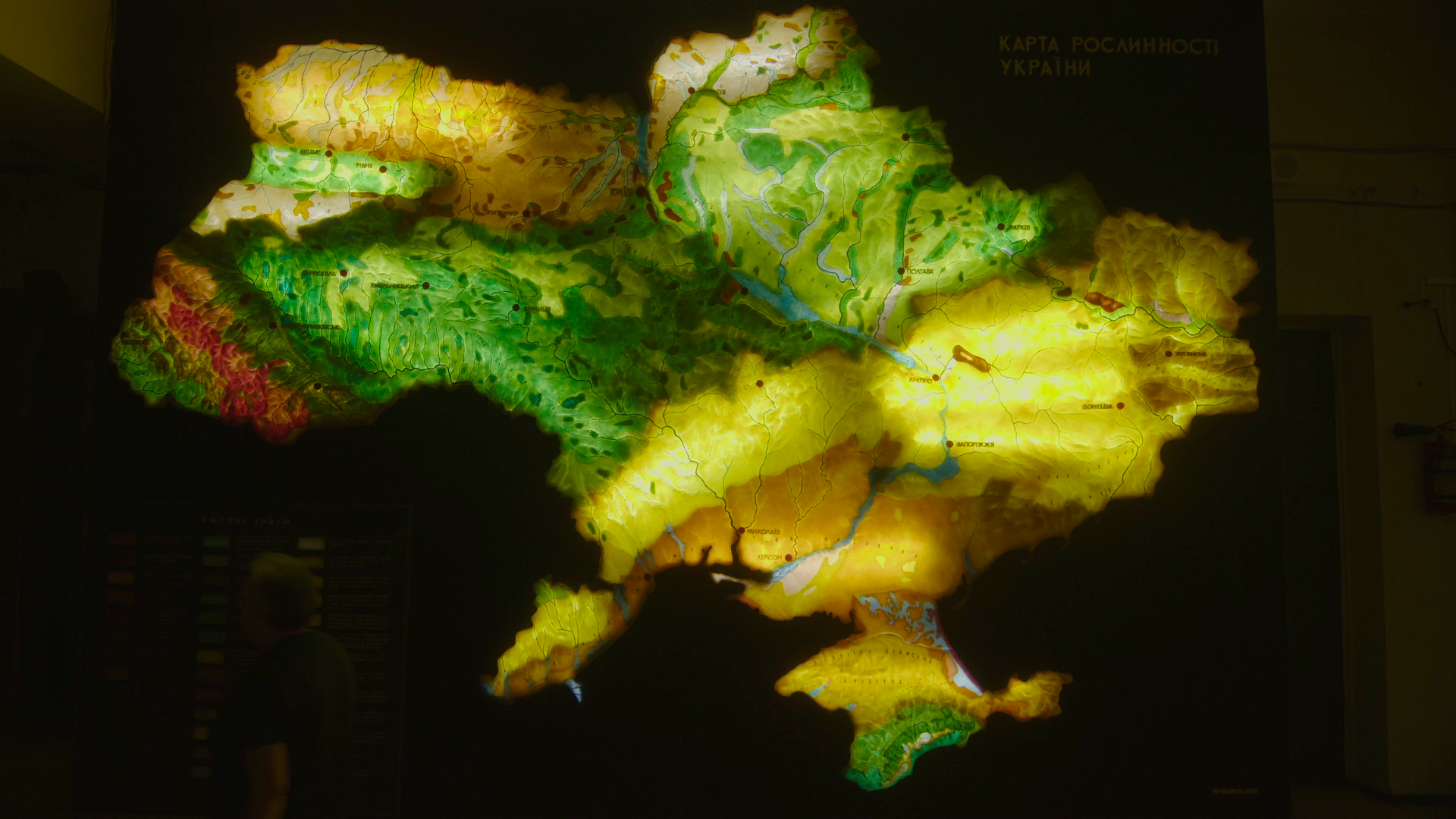
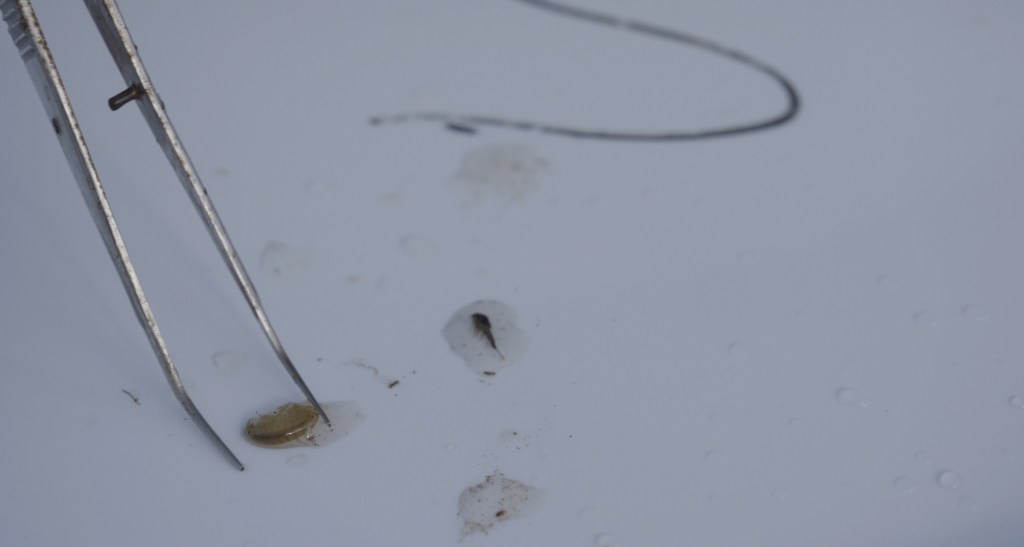
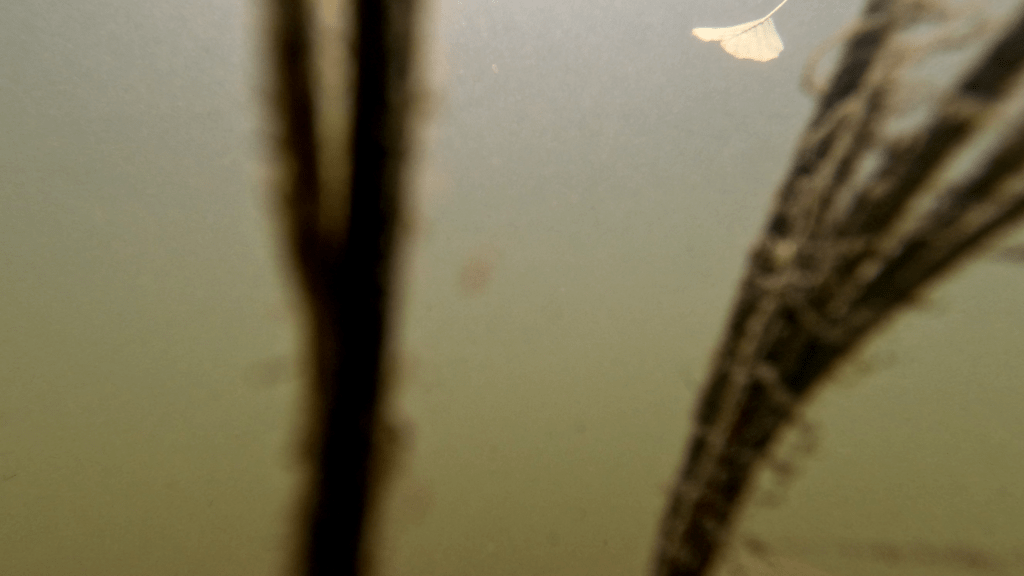
A still from the video material. Camera Oleh Halaidych.
What is a landscape? It is an ever-emerging, dynamic meeting-place of multispecies collectivities, a site of relationships between species and generations, built on and through interdependent processes between biotic and abiotic participants of the ecosystem. When war – shelling, flooding, fire, – is unleashed on a landscape, relations and connectivities that are life, collapse. Landscape turns into a deathscape, in which traces of animal and human, plant, fungal, and mineral lifeworlds unravel, and ghosts and spectral presences come together instead.
A day after the destruction of Kakhovka Dam, on the 6th of June 2023, Ukrainian Nature Conservation group stated that among numerous impacts on birds, water animals, reptiles, plants and other nonhuman dwellers of submerged territories, one species of ants is certain to have gone extinct in Ukrainian territory. What happens to the entangled world of humans and nonhuman entities when a man-made mass death ends the existence of a species, even when the species is that of humble tree-dwelling ants?
The above and many other questions are structuring the project Phosphorus, which focuses on story-ing lifeworlds of those who dwell in and co-create ecosystems of rivers and the sea, the air and the forest, the steppe and the sand. Narrating not only of but also with multispecies entities and conversing with Ukrainian elderly, scholars, and activists, the project looks into the past and present and discusses the possible futurity of the Ukrainian environment. Focusing on individual personal stories and the underground rumble of soilmakers alike, the project seeks to highlight the invisible lifeworlds affected in order to inscribe them into the memory and make space for multispecies storytelling in the context of mass destruction.
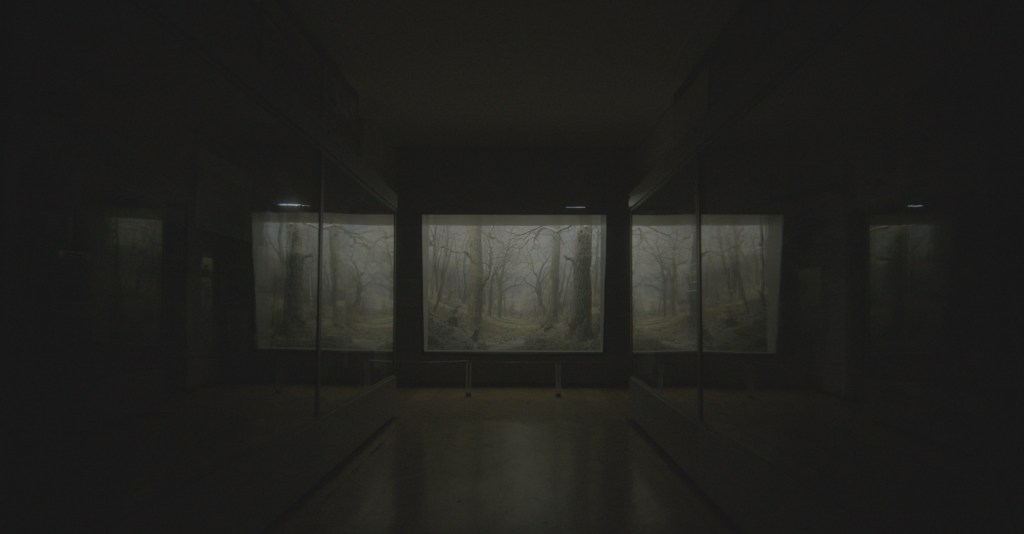
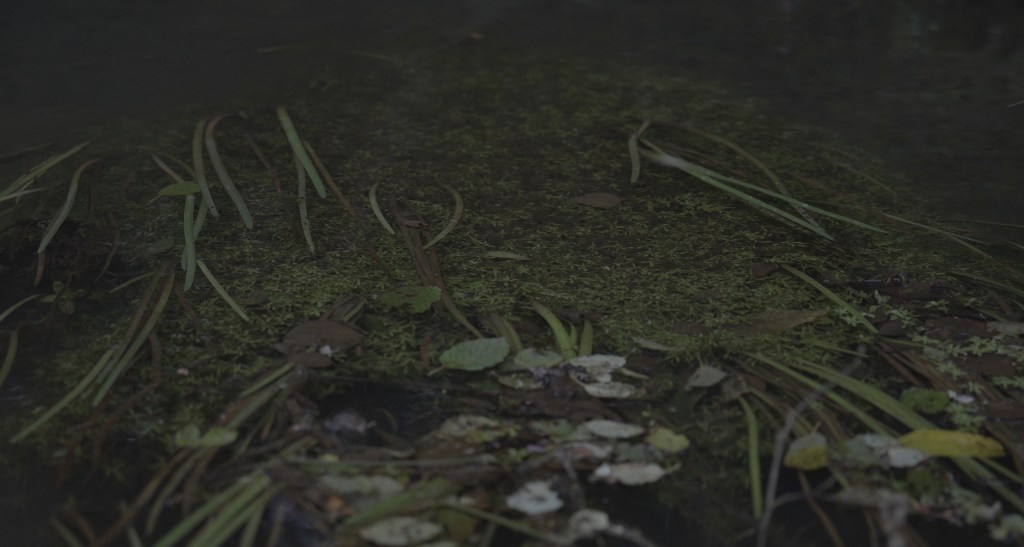
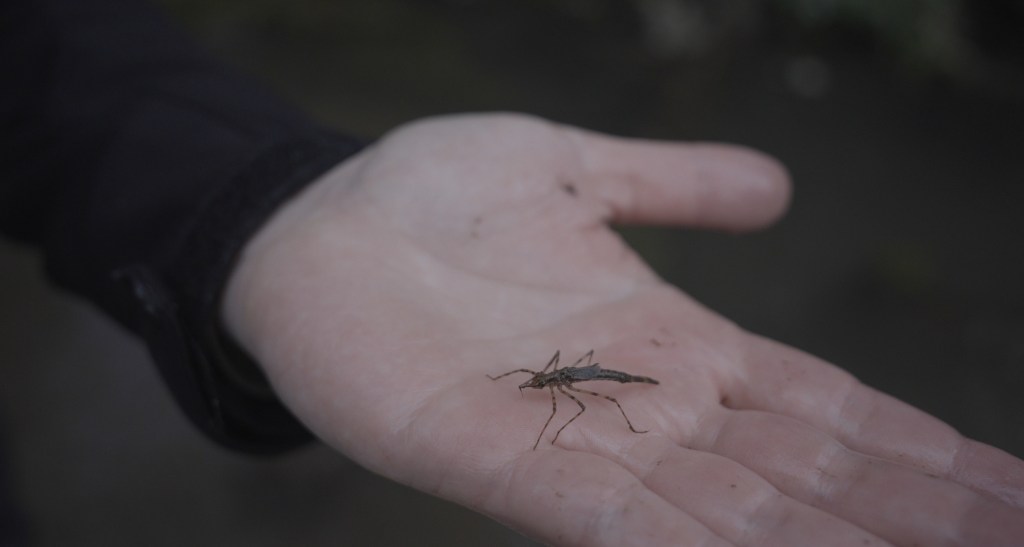
Phosphorus is an inquiry into grief and the deep transformations of multispecies interrelatedness in a landscape affected by war. It is a research-led process taking shape as a poetic documentary, video installations, bioart experiment and text.


TEAM
Director
Producer
Cinematographer
Daina Pupkevičiūtė
Olha Tuharinova, Kshtalt Productions, UA
Oleh Halaidych
RESEARCH
Artistic research processes that are part of this project have been presented as a personal exhibition The Lament of the Fish at the contemporary art gallery Meno Parkas in Kaunas, February 2026. The exhibition featured extracts of the video materials produced while developing Phosphorus, screened on an organic semi-transparent sheet grown as SCOBY, shaped and dried as a screen. The exhibition also consisted of a double-stereo sound installation, objects and video performance.
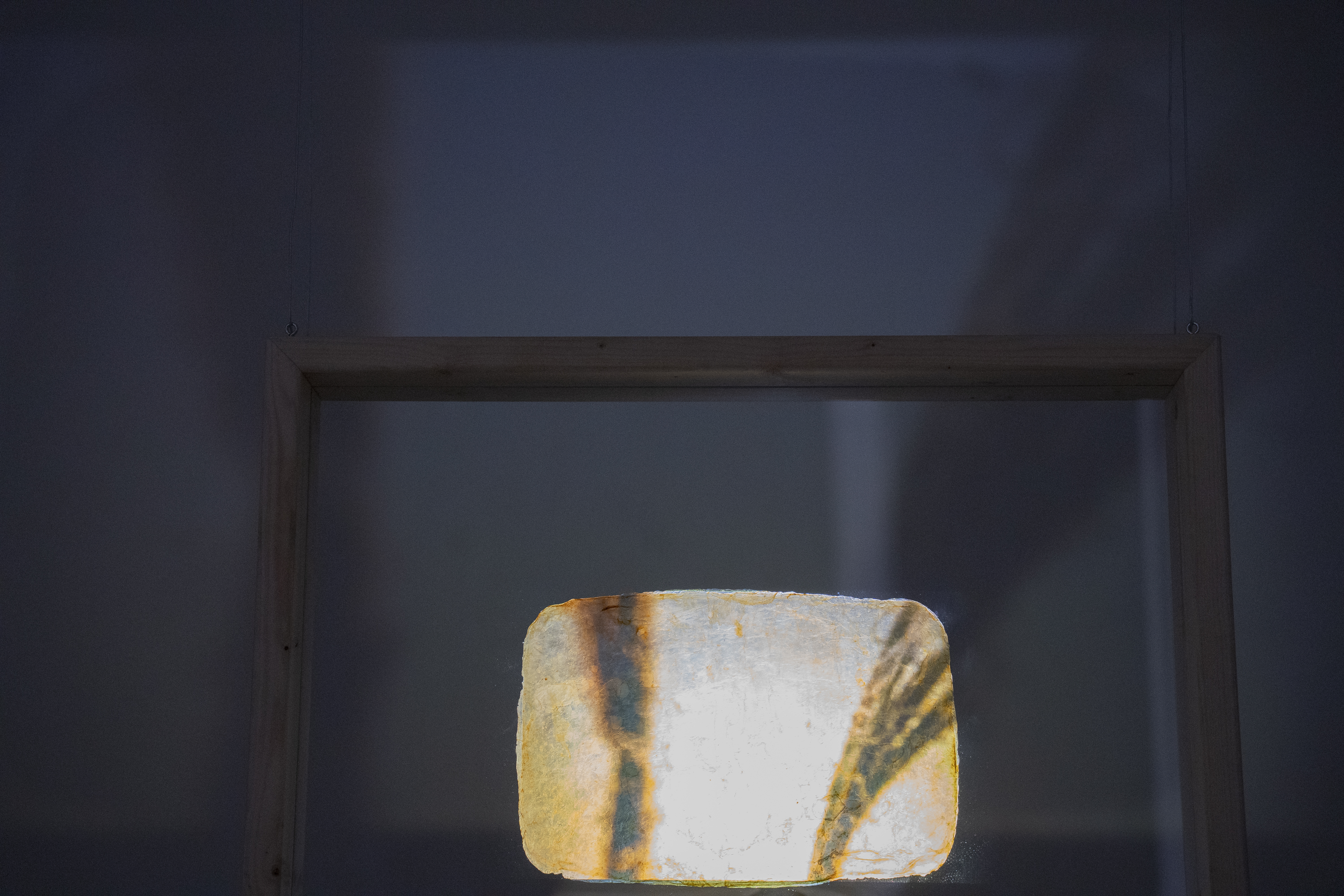
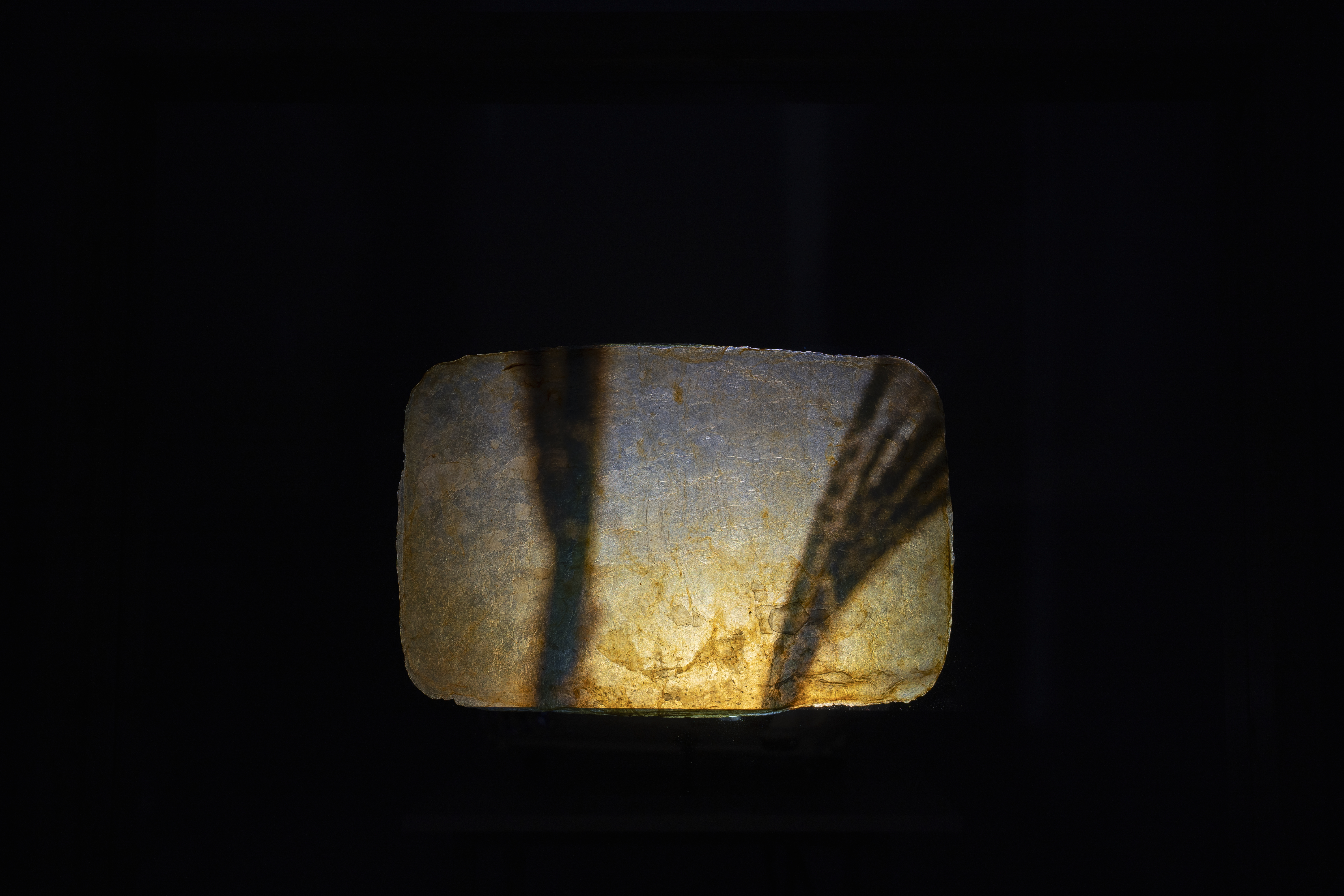
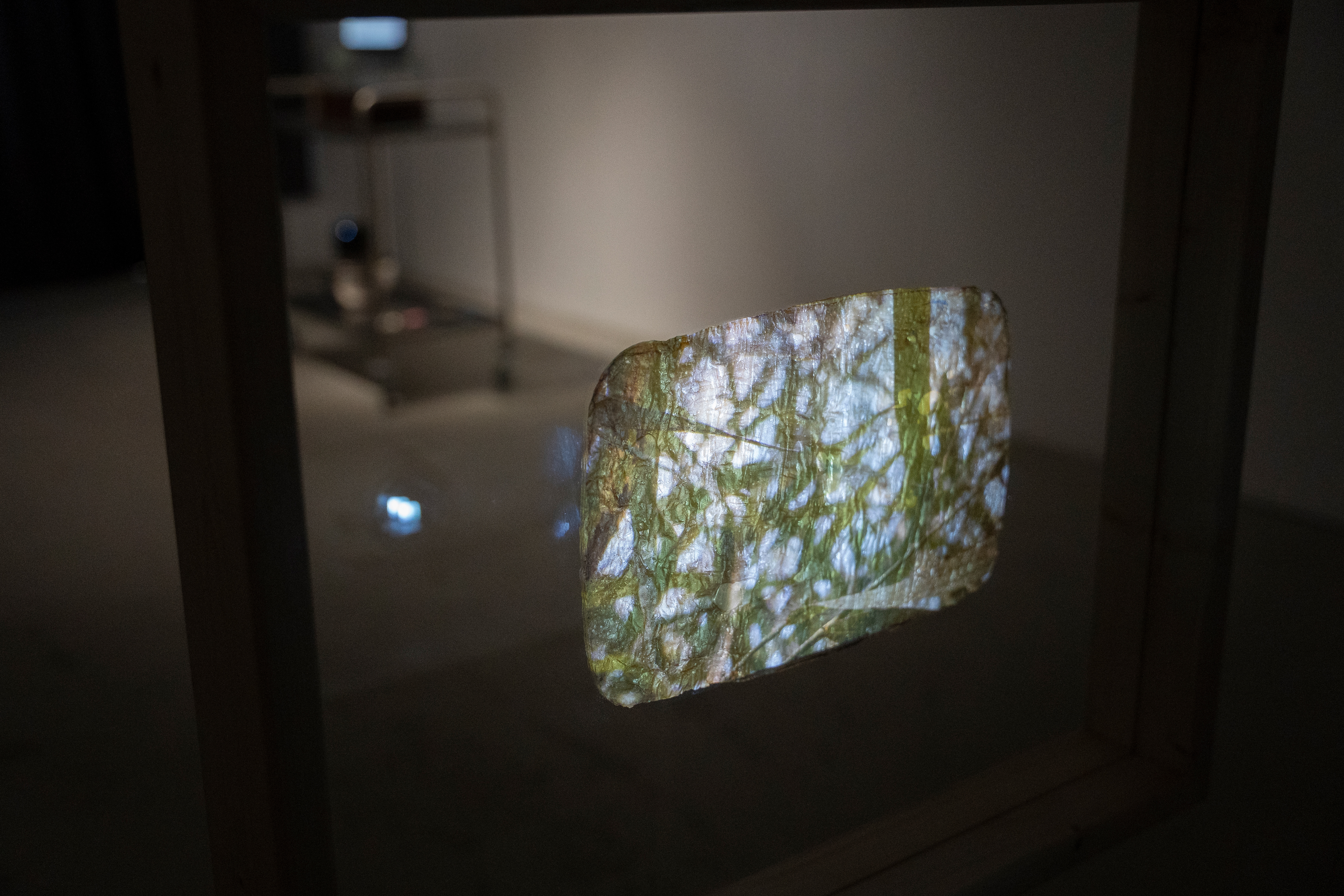
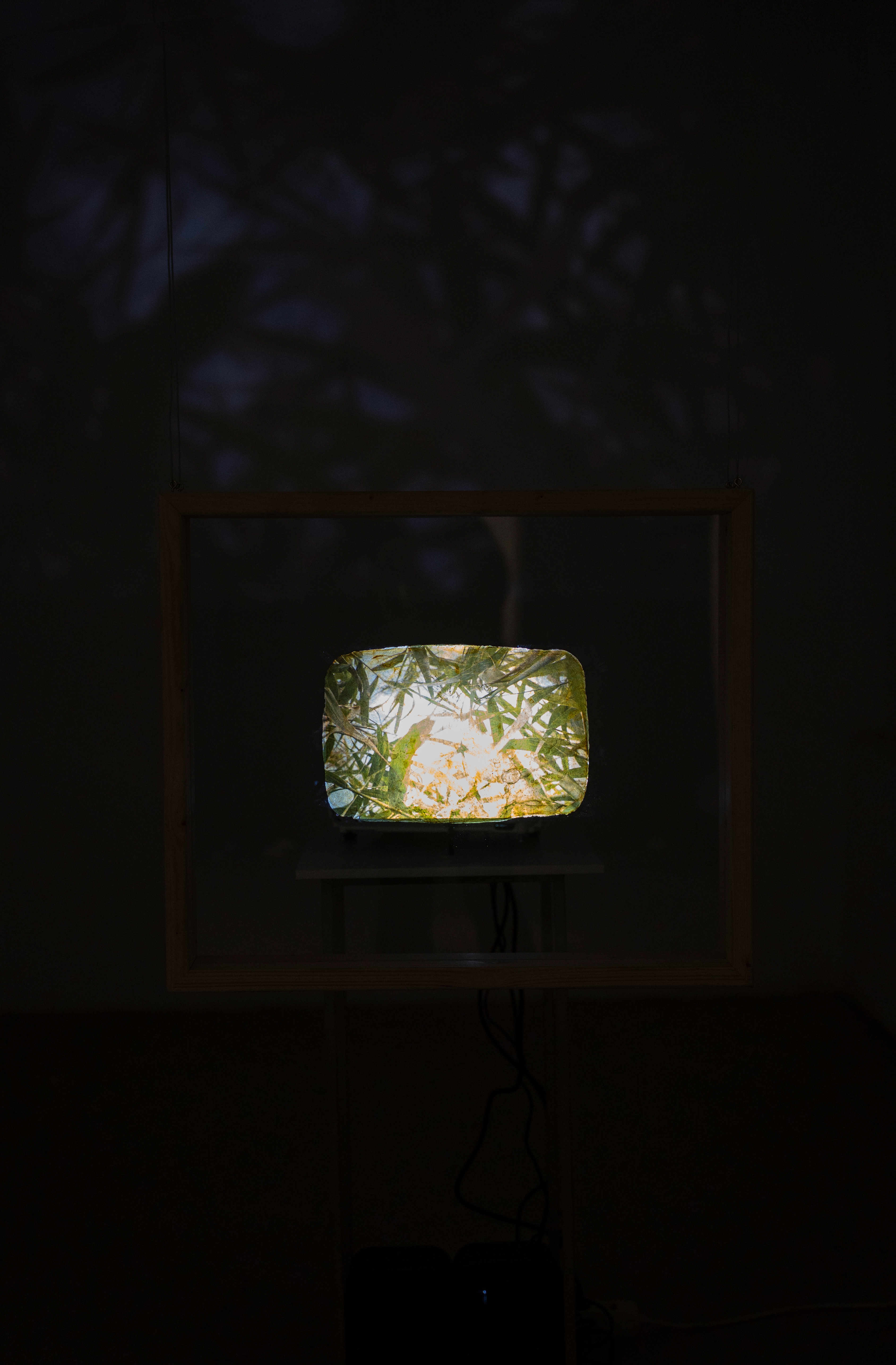
Photos by Airida Rekštytė, Daina Pupkevičiūtė
SUPPORT
Culture Moves Europe individual mobility grant by European Union and Goethe Institute
Centre for Advanced Study inherit. heritage in transformation at the Humboldt-Universität zu Berlin, funded by the Federal Ministry of Research, Technology and Space
Lithuanian Council for Culture

